Goddesses

Aine
Queen of the summer sun · Sovereign of the land · The bright one who will not be dimmed
Pronounced AWN-ya · from the old Irish for radiance, brightness, splendor
Some women come to Áine for joy. Most of us, eventually, come to her for permission to stop dimming — the quiet, ancient permission to take up our actual radiance, to let our good news be loud, to laugh without stifling it, to wear the body we are in without hiding it, to take our seat at the top of our own hill. She is the goddess of the woman who has been making herself smaller for the comfort of rooms that were never going to hold her at her actual brightness, and she meets us in every patch of sun on a wood floor, every meadowsweet field, every summer evening that refuses to end.
To work with Áine is to remember that your radiance was not a problem to be solved. It is to remember, instead, that the bright woman has always existed, has always been called too much, and has always survived anyway — that the queen of the hill does not check whether the kings of the valley are comfortable. You were not given your brightness to manage other people's discomfort with it. You were given it because it is yours. And the world has been adjusting around radiant women for as long as there have been radiant women.
She is the patron of the woman who refuses to dim for anyone's comfort but her own.

Brigid
Triple goddess of fire · Patron of forge, hearth, and harp · The keeper of the eternal flame
Pronounced BRID or BREEJ · also Brìd, Bríde, Brighid · from the old Irish for the exalted one
Some women come to Brigid for inspiration. Most of us, eventually, come to her for permission to name what we are already making sacred — the quiet, ancient permission to call the meal we cooked, the note we sent, the wound we tended, the song we hummed by its real name: holy work. She is the goddess of the woman who has been bringing things forth with her hands her whole life without recognizing it as a spiritual practice, and she meets us in every kitchen, every writing desk, every place where small, daily, faithful making is happening without an audience.
To work with Brigid is to remember that you are a maker, in three sacred traditions at once — forge, hearth, and harp — and that you have been working in her name since you were old enough to use your hands. Maintenance is creation. The kitchen is a forge. The bandage is a healing well. The text message is a poem. The eternal flame at Kildare was tended by women for over a thousand years, was extinguished by an angry king, and was relit by Irish women in 1993 — and it still burns. You are one of the keepers. You always were.
She is the patron of the woman whose work has always been holy.

Cerridwen
Keeper of the great cauldron · Brewer of Awen · The goddess of the long transformation
Pronounced KER-id-wen · also spelled Ceridwen · from the old Welsh
Some women come to Cerridwen for transformation. Most of us, eventually, come to her for permission to trust the long brew — the quiet, ancient permission to stop measuring our becoming against the world's impatient timeline, to recognize that we have been stirring something faithfully for years, to remember that the three drops will come when they are ready and not a moment before. She is the goddess of the woman whose work has been simmering for so long that she has begun to doubt it, and she meets us in every kitchen where something is patiently cooking, every project that has refused to be rushed, every healing that is still in progress.
To work with Cerridwen is to stop apologizing for how long your becoming has taken. It is to remember, instead, that you have been adding ingredients faithfully without knowing you were adding ingredients — that the brew is real, that the cauldron is closer to the three drops than you have been able to perceive. And when the finishing arrives, even if it arrives in a shape you did not predict, it will be the shape it was always going to be. Follow it. Stir faithfully. Trust the cauldron.
She is the patron of the woman who has been brewing far longer than anyone realized.

Danu
Great mother of the Tuatha Dé Danann · Goddess of land and river · The flowing one from whom every Irish goddess descends
Pronounced DAH-noo · also called Anu, Ana, Dana · from the old Celtic for to flow, to give
Some women come to Danu for grounding. Most of us, eventually, come to her for permission to stop being self-made — the quiet, ancient permission to remember that we have been carried by ancestors and waters older than us our whole lives, to lay down the exhausting performance of self-sufficiency, to finally feel that we belong to a lineage longer than our own ambition. She is the goddess of the woman who has been told to need nothing and has been quietly starving for ancestry, and she meets us in every river, every glass of tap water, every old maternal photograph, every patch of earth that has felt like home before we could explain why.
To work with Danu is to remember that you are not the source — you are the flowing. The source is older than you, deeper than you, more patient than you, and it has been giving rise to you faithfully every moment of your life. You came from a great old river that has been moving for ten thousand years. The land beneath your house is her body. The water in your tap is her body. The salt in your blood is her body. You are walking around inside the great mother, made of the great mother, every breath of every day.
She is the patron of the woman who finally remembered she has been carried all along.

Elen of the Ways
Antlered goddess of the old paths · Reindeer mother of the long migration · The one who walks beside you when you cannot see the way
Pronounced EH-len or EL-en · also called Elen Luyddog · from the old Welsh for the woman of the trackways
Some women come to Elen for direction. Most of us, eventually, come to her for permission to stop performing certainty — the quiet, ancient permission to admit we do not have a five-year plan, to stop apologizing for our wandering, to trust the pull we have been following for years without yet having language for what we are being pulled toward. She is the goddess of the woman whose path has not unfolded according to a map, and she meets us in every fork in the road we have stood at without knowing which way to go, in every project we cannot quite justify, in every life choice we have made by following our feet instead of our anxious mind.
To work with Elen is to remember that the path is older than your understanding of it. Your feet have always known. The pull you have been following is real. The wandering has not been a waste — it has been the long migration of your becoming, walked along trackways older than any human plan. Elen has been beside you the whole time, antlered, wild, leading. You do not have to know yet. You only have to keep walking.
She is the patron of the woman whose wandering has been guided all along.
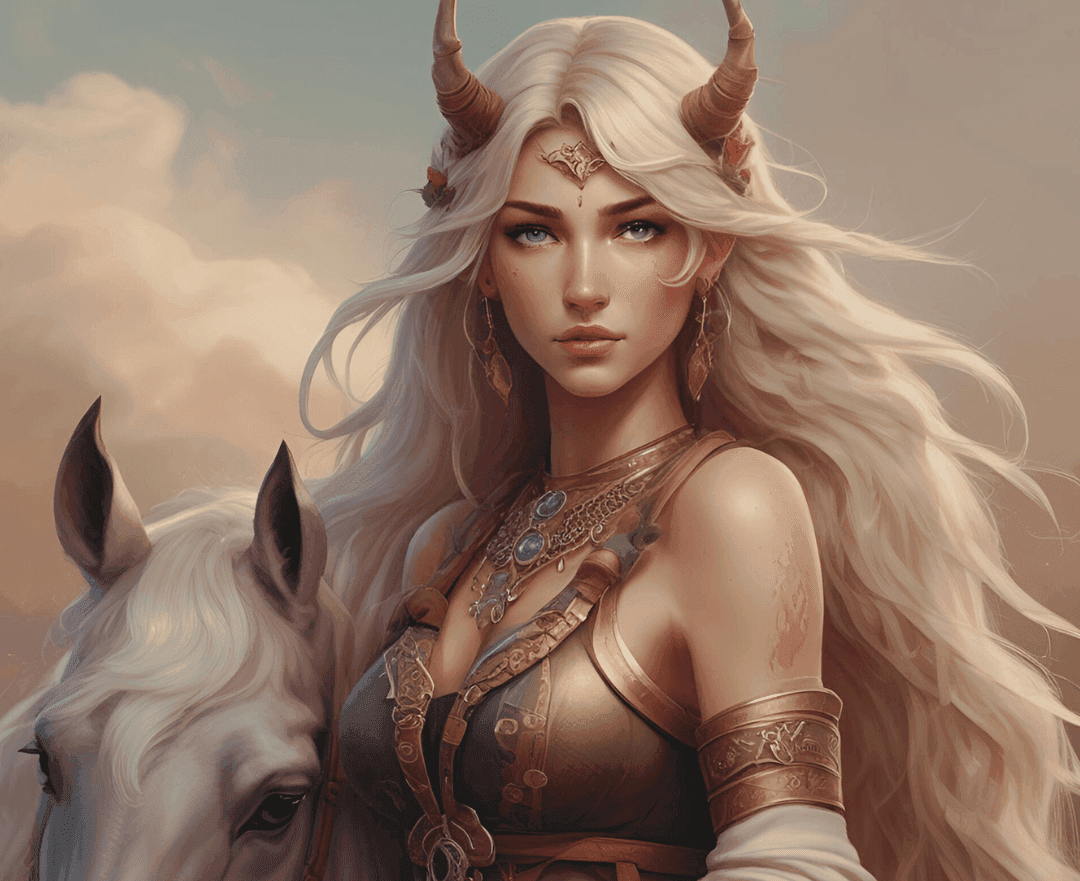
Epona
Goddess of horses, fertility, and prosperity, revered as a protector of animals and a symbol of abundance.
The name of the Goddess Epona is typically pronounced as "eh-POH-nuh." Here's a simple breakdown:
"eh" as in the first part of "elephant"
"POH" with a long "o" sound, like in "go"
"nuh" with a short "uh" sound, like in "sofa"
So, you would say it as "eh-POH-nuh."
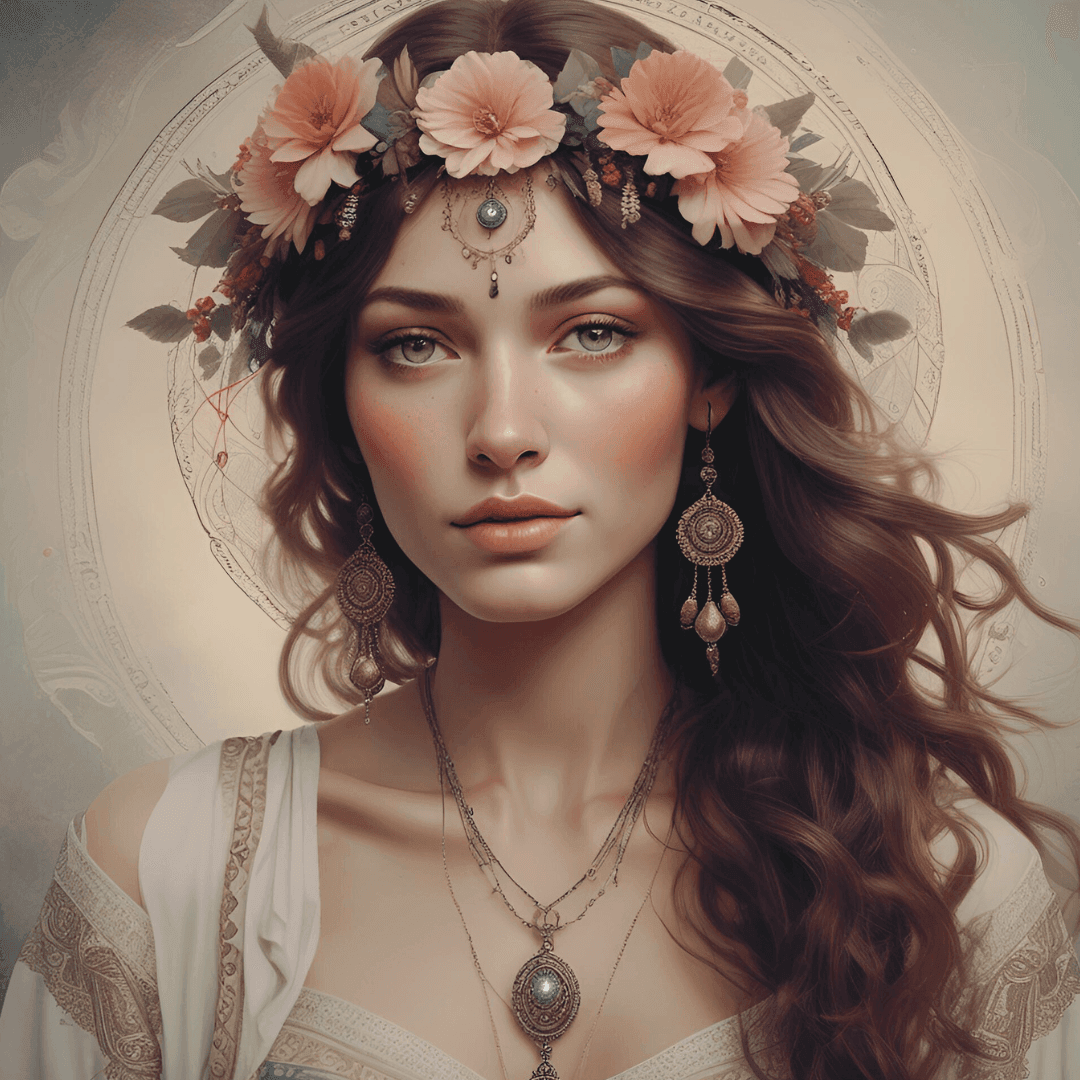
Flidais
Goddess of the forest, wildlife, and abundance, associated with hunting and the protection of animals.
The name Flidais is typically pronounced as "FLIH-dish" or "FLIH-dahsh." Here's a simple breakdown:
FLIH" with a short "i" sound, like in "bit"
"dish" or "dahsh" with a soft "sh" sound at the end, similar to "fish" or "dash" but softer
So, you would say it as "FLIH-dish" or "FLIH-dahsh.
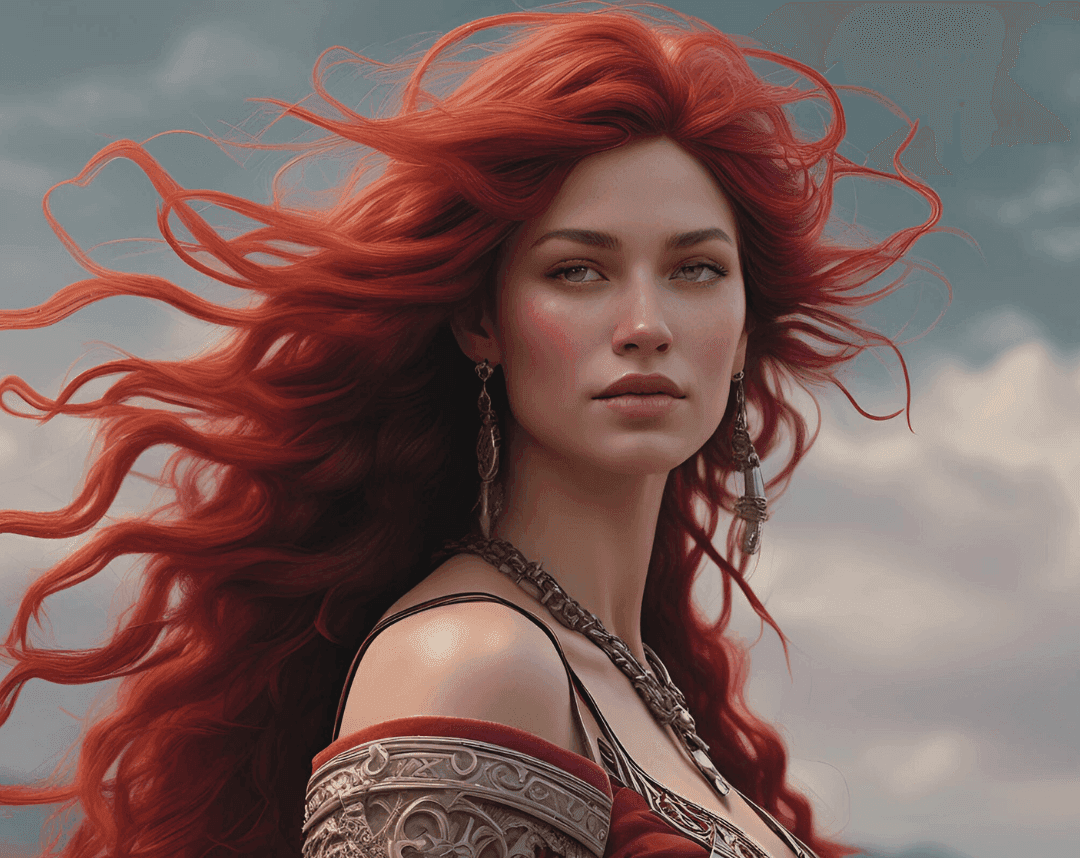
Macha
Goddess of sovereignty, war, and horses, associated with the land and the protection of its people.
Goddess Macha is pronounced as "MAH-kuh."
The first syllable "MAH" rhymes with "spa."
The second syllable "kuh" is pronounced like the "ca" in "cat" but softer.
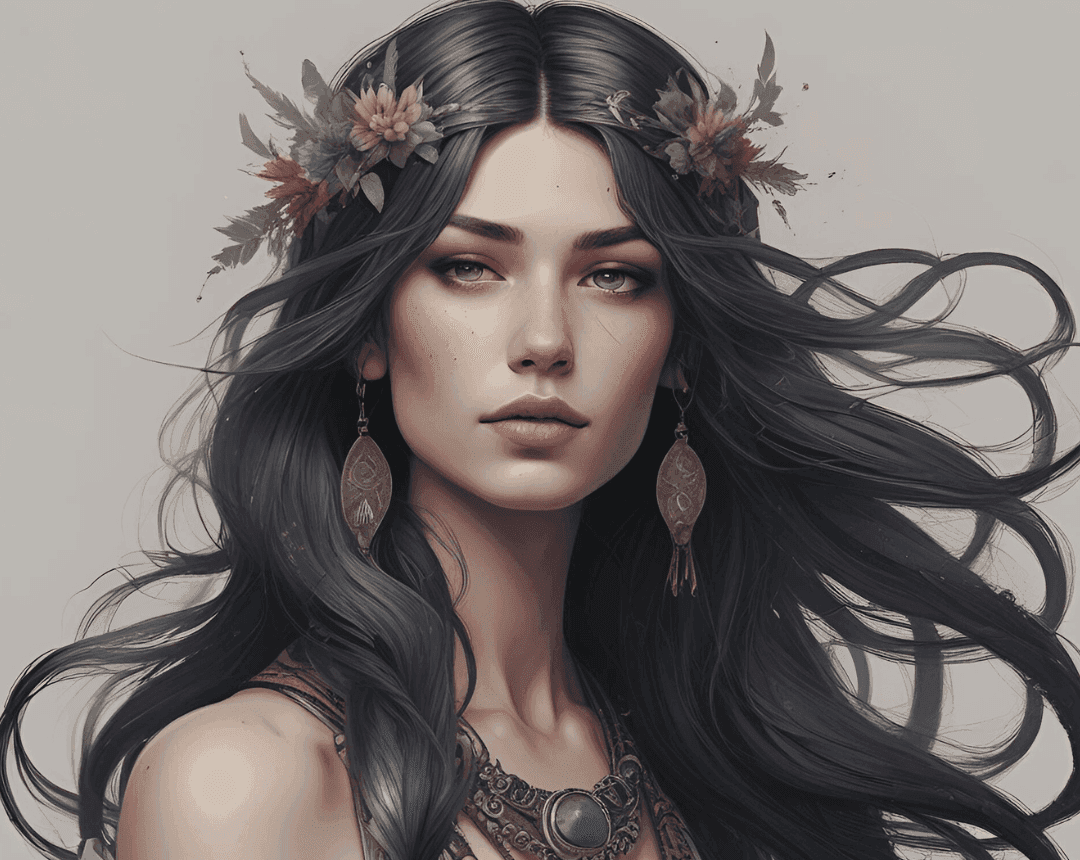
Morrigan
Goddess of fate, war, and death, often depicted as a triad of goddesses or a single shapeshifting entity.
The pronunciation of the Celtic Goddess Morrigan is typically "MOR-ri-gan" or "MOHR-ri-gahn." The emphasis is on the first syllable, and the "o" is pronounced like the "o" in "more."
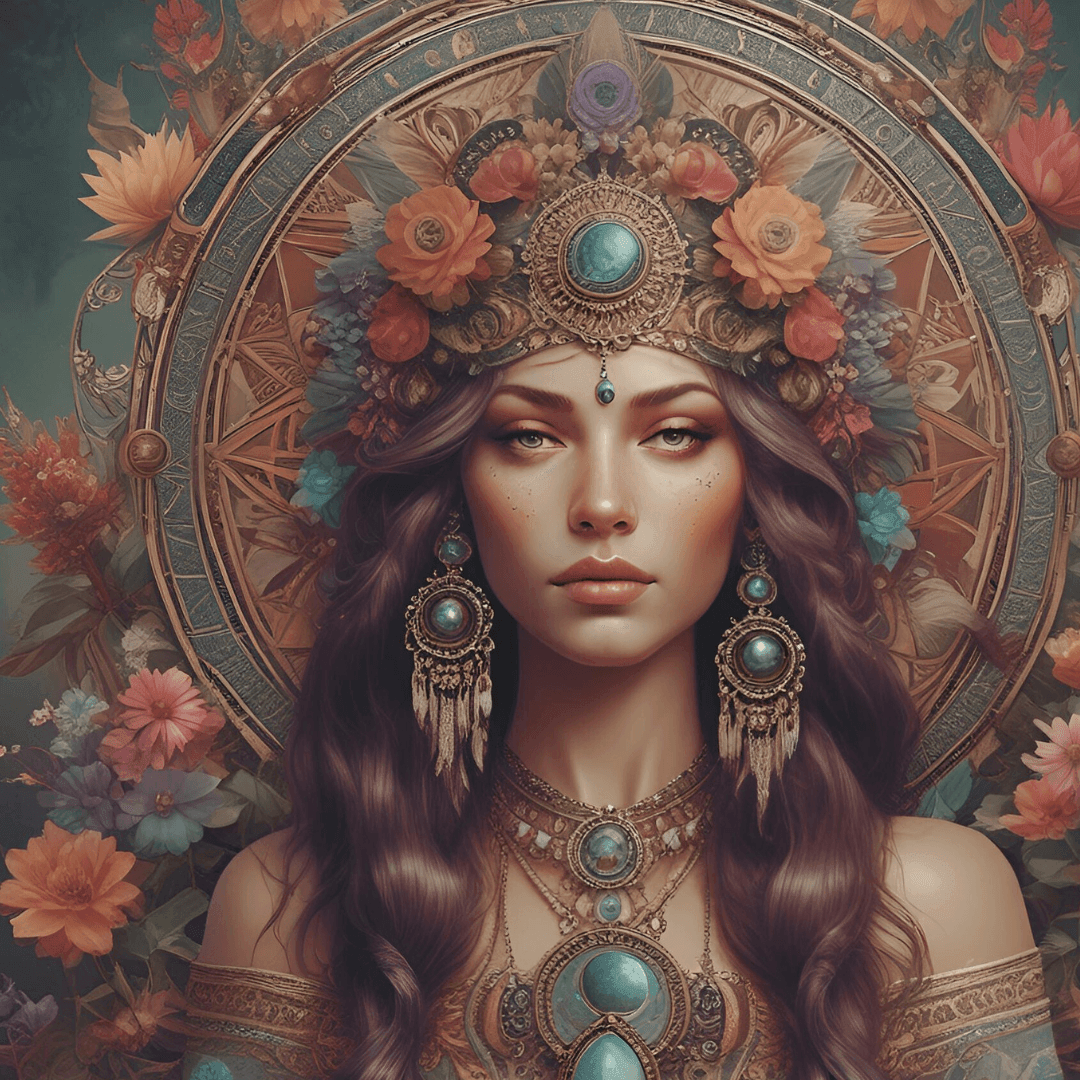
Nimue
Lady of the Lake and enchantress from Arthurian legend, associated with magic, wisdom, and destiny.
The name "Nimue" is typically pronounced as "NIM-oo-ay" or "NIM-oo-ee." Here’s a breakdown of the pronunciation:
"NIM" rhymes with "dim."
"oo" as in "too."
"ay" as in "say" or "ee" as in "see."
So, you can say it as "NIM-oo-ay" or "NIM-oo-ee."
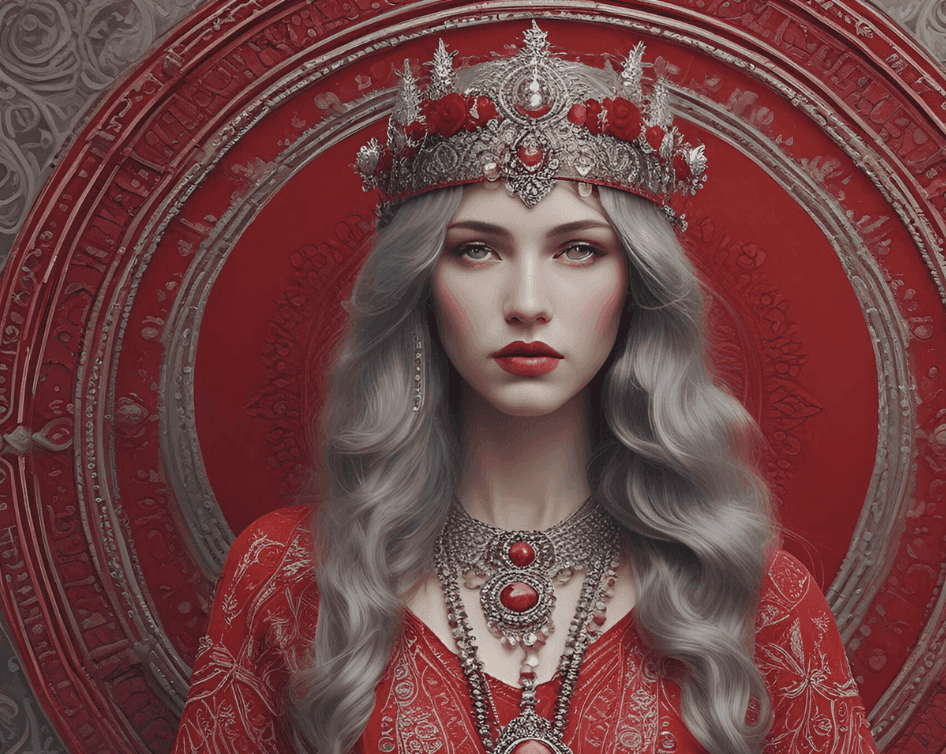
Olwen
Welsh flower goddess and symbol of purity, associated with white clover blossoms and springtime.
The name "Olwen" is pronounced as "OL-wen." Here’s a breakdown of the pronunciation:
"OL" rhymes with "doll."
"wen" sounds like "when."
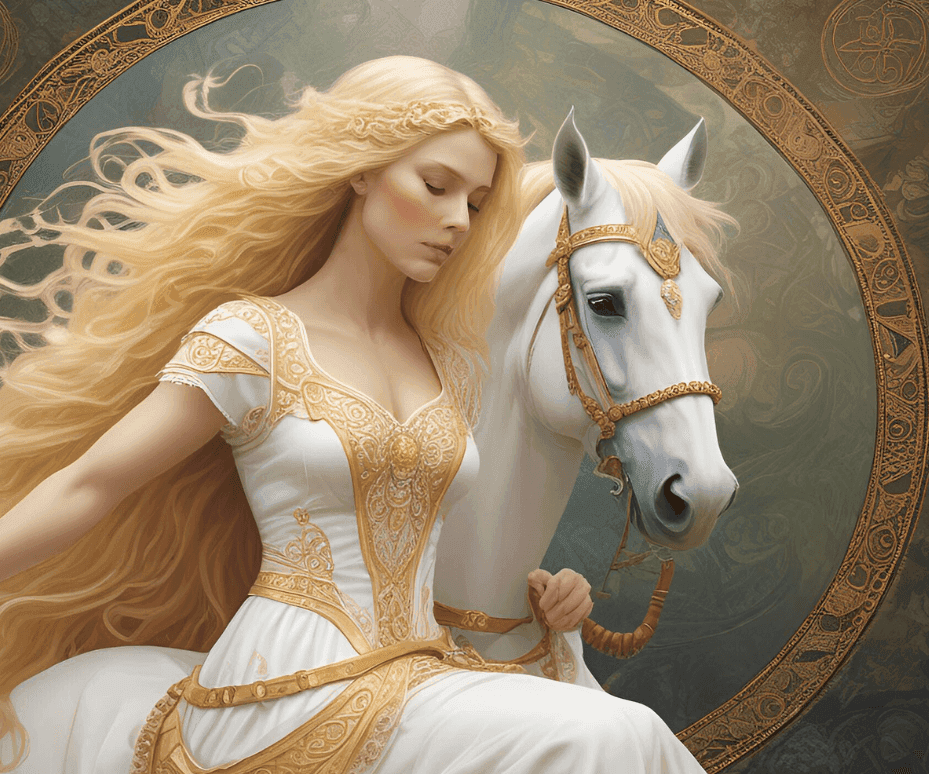
Rhiannon
Goddess of the moon, fertility, and the underworld, associated with birds, horses, and sovereignty.
The name "Rhiannon" is pronounced as "ree-ANN-on." Here’s a breakdown of the pronunciation:
"Ree" sounds like "tree."
"ANN" sounds like the name "Ann."
"on" sounds like "on" in "onward."
So, you say it as "ree-ANN-on."
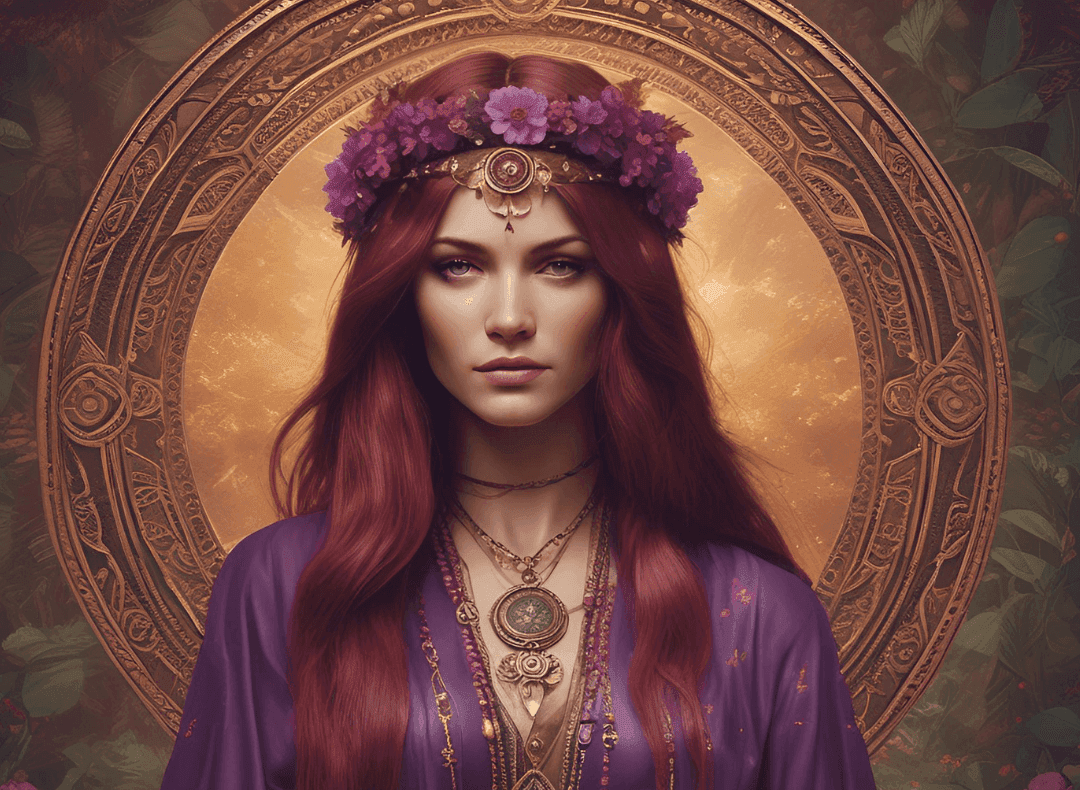
Scathach
Warrior goddess and martial arts instructor, associated with combat training and prophecy.
The name "Scathach" is pronounced as "SKA-hahk" or "SKA-thahk." Here’s a breakdown of the pronunciation:
"SKA" sounds like "ska" in "skate."
"hahk" or "thahk" where the "th" is soft as in "the," followed by a guttural sound resembling "hahk."
So, you can say it as "SKA-hahk" or "SKA-thahk."

Sulis
Celtic sun goddess and healer, worshipped at the thermal springs of Aquae Sulis (modern-day Bath, England).
The name "Sulis" is pronounced as "SOO-lis." Here’s a breakdown of the pronunciation:
"SOO" sounds like "soo" in "soon."
"lis" sounds like "liss" in "bliss."
So, you say it as "SOO-lis."
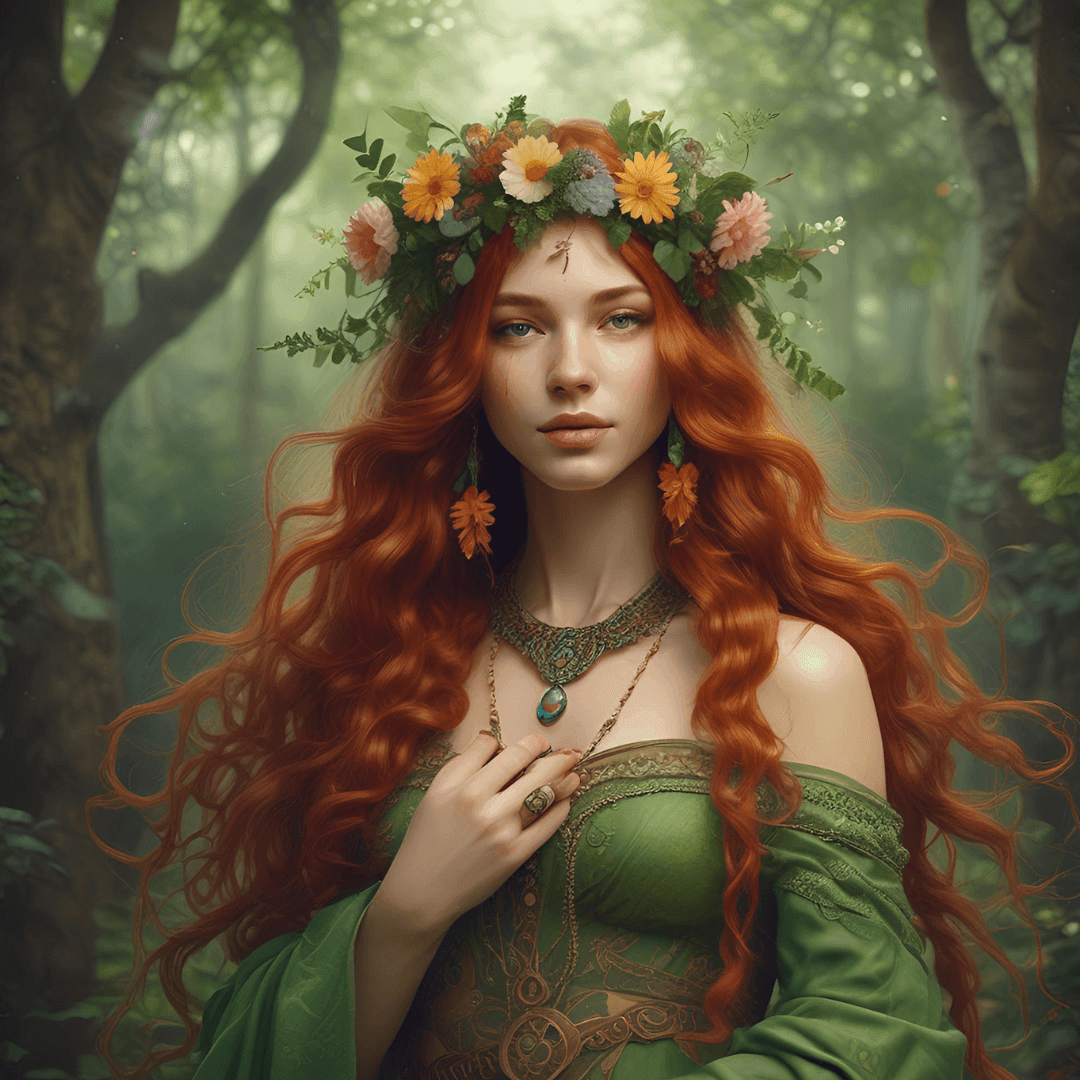
Tailtiu
Goddess of the earth and agriculture, associated with the harvest and the fertility of the land.
The name "Tailtiu" is pronounced as "TAL-choo" or "TAL-tee-oo." Here’s a breakdown of the pronunciation:
"TAL" sounds like "tall."
"choo" as in "choo" in "choose" or "tee-oo" with a soft "t" and "ee" as in "see."
So, you can say it as "TAL-choo" or "TAL-tee-oo."